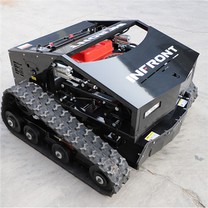


The Future Trends of Lawn Mower Industry
The lawn mower industry has undergone significant changes in recent years, marked by the introduction of various types of mowers, including electric, cordless, and robotic models. Looking into the future, it is evident that the industry will continue to evolve and innovate to meet changing customer needs and preferences


One of the most prominent trends in the lawn mower industry is the shift towards green and eco-friendly alternatives. As environmental concerns continue to grow, consumers are looking for sustainable options, and manufacturers are responding by producing electric or solar-powered mowers. These models are not only better for the environment but also operate quieter and require less maintenance, making them an attractive choice for consumers.
Another trend in the lawn mower industry is the increasing use of robotics and artificial intelligence to automate lawn mowing. Several companies have already introduced robot lawn mowers that are programmable, operate autonomously, and can navigate various obstacles. With the advancements in technology, it is expected that these robotic mowers will become more affordable and user-friendly.
Moreover, the popularity of smart home technology is also influencing the lawn mower industry. Many manufacturers are developing mowers that can be controlled remotely via smartphones or voice assistants like Amazon's Alexa or Google Assistant. Smart lawn mowers can adjust their mowing patterns based on weather conditions and optimize their runtime to reduce energy consumption.
Finally, the customization and personalization of mowers are also an emerging trend in the industry. Consumers are looking for lawn mowers that can be tailored to their specific needs, such as the size and shape of their yard or the type of grass they have. Manufacturers are developing a range of customizable features, from adjustable blades to variable speed controls, to suit different requirements.

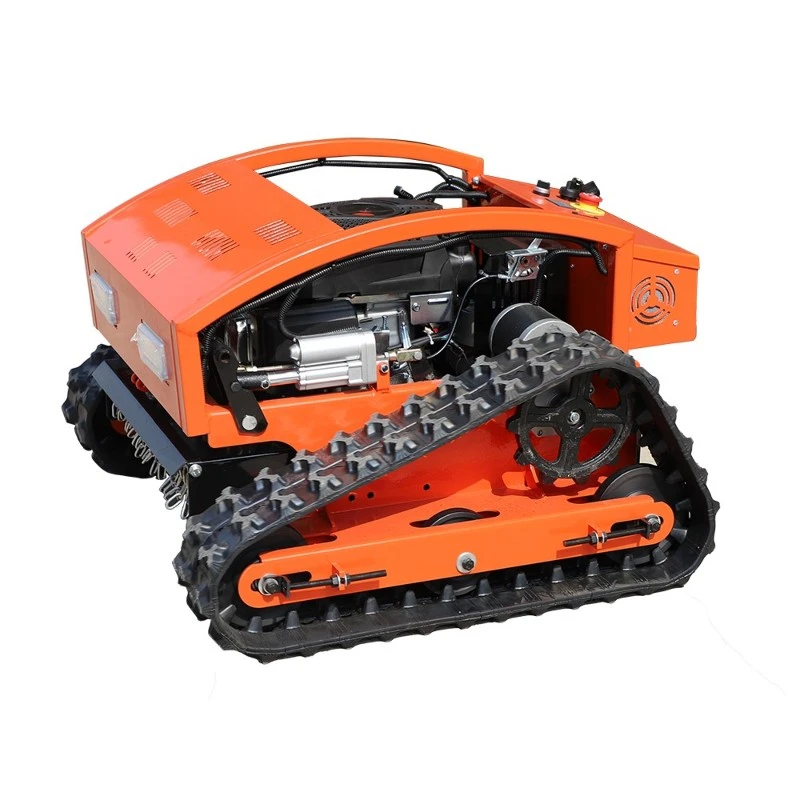
In conclusion, the lawn mower industry is evolving to meet the changing needs and preferences of consumers. The future of the industry lies in eco-friendly options, robotics, smart technology, and customization. Manufacturers that can keep up with these trends are likely to succeed in the highly competitive market.