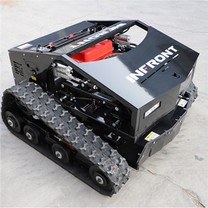


Slower and weaker movements? Hydraulic system maintenance is key!
The hydraulic system is the "muscle" of a mini excavator, responsible for transmitting all the power for digging and lifting. Feeling the machine is "weak" or moving sluggishly is often a sign that it's sending a signal.
Problem symptoms: Weak digging, slower compound movements, boom or bucket automatically sinking.
How to handle and maintain:
Check the "blood" health: First, check if the hydraulic oil level is within the standard range. Insufficient oil will directly lead to a drop in pressure. Also, observe the color and smell of the hydraulic oil. If the oil is black, emulsified, or has a burnt smell, it indicates contamination or deterioration and needs immediate replacement. It is recommended to change the hydraulic oil and hydraulic filter every 500 working hours.
Clean the "breathing system": Dust, catkins, or weeds clogging the hydraulic oil cooler are a frequent cause of overheating and machine weakness. After each day's work, clean the cooler fins with an air gun or high-pressure water gun (be careful not to use too high a pressure) to ensure proper ventilation.
Check for leaks in the "capillaries": Carefully inspect all hydraulic lines and cylinders for any signs of leakage. Even minor leaks can lead to insufficient system pressure over time. Loose joints can be tightened, but if hoses or seals are old or cracked, they must be replaced immediately; do not make do.
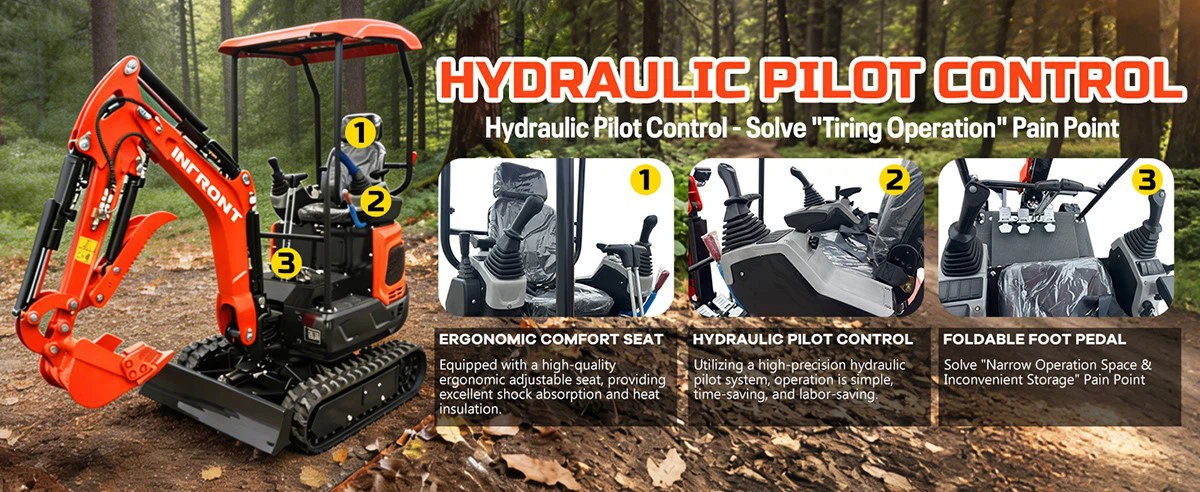
Engine acting up? Start with fuel, air, and electricity.
The engine is the "heart" of the equipment; its health directly determines whether it can start smoothly. Problems such as difficulty starting and reduced power can mostly be traced back to three aspects: fuel, air intake, and electrical system.
Problem symptoms: Unable to start, weak starting, black smoke during operation, or automatic shutdown.
How to handle and maintain:
Keep the fuel clean: The fuel system is the engine's lifeline. Always use clean diesel fuel from reputable gas stations. The fuel filter is crucial for protecting the fuel injectors; it is recommended to replace it every 250-500 hours. If the working environment is dusty, the replacement cycle should be shortened accordingly.
Ensure smooth airflow: A clogged air filter can lead to insufficient air intake, causing incomplete combustion, reduced power, and even black smoke. Develop the habit of checking the air filter daily, using compressed air to blow away dust from the inside out. If the filter element is damaged or severely clogged, it must be replaced immediately.
Keep the battery alert: The battery is key to starting. Regularly check the battery terminals for tightness and for any oxides (white powder). If oxidation is present, rinse with boiling water and clean with sandpaper. When not in use for extended periods, it is recommended to disconnect the negative terminal of the battery and charge it every one to two months to prevent damage from depletion.

Is your machine veering off course or making unusual noises? The chassis and tracks need "adjustment." The chassis and running system are the "legs" of the mini excavator, bearing the weight of the machine and the impacts of complex working conditions. Track problems not only affect movement but can also damage other components.
Problem symptoms: Veering off course, tracks too loose or too tight, abnormal noise during movement.
How to handle and maintain:
Adjusting "Tightness": Improper track tension is the main culprit for veering, derailment, and abnormal wear. The correct tension is: lift one track off course and measure the distance between the top of the middle of the track and the top of the idler wheel. It should generally be between 3-5 cm. Ensure that the tension of both tracks is consistent; this is the first step in solving veering problems.
Regularly clean the "underground": After working in muddy or debris-filled construction sites, promptly clean the mud, stones, and weeds entangled in the tracks and chassis. These debris will accelerate the wear of track pins and track rollers, and may even cause the tracks to seize.
Check the lubrication of the "joints": Regularly inspect all chassis components, such as track rollers, carrier rollers, and idler rollers, for oil leaks or stiffness. Also, don't forget to add sufficient grease to the slewing bearing and all pins (such as the boom and arm connections) to reduce wear and abnormal noise.
In short, a mini excavator is like a hardworking partner. The more you understand it and the more meticulously you take care of it, the more efficient and less prone it will be to failure. Remember the principle of "prevention first, maintenance combined with repair," and these common minor problems will be easily resolved, keeping your machine in optimal condition for a long time.