


Is a 2.5 Ton Digger suitable for basement excavation?
Hey there! I'm a supplier of 2.5 ton diggers, and I often get asked if these machines are a good fit for basement excavation. Well, let's dive into it and see if a 2.5 ton digger is the right tool for the job.
First off, let's talk about what a 2.5 ton digger brings to the table. These compact machines are known for their versatility and maneuverability. They're small enough to fit into tight spaces, which is a huge plus when you're working in a basement. You won't have to worry about knocking down walls or getting stuck in narrow corridors.
One of the key advantages of a 2.5 ton digger is its power. Despite its relatively small size, it packs a punch. It can handle a variety of soil types, from soft clay to hard rock. This means you can use it for different stages of basement excavation, from initial digging to final grading.
Another benefit is the ease of operation. Most 2.5 ton diggers are designed with user-friendly controls, making them accessible to operators of all skill levels. You don't need to be a seasoned pro to get the job done. Plus, they're relatively easy to transport, so you can move them from one job site to another without too much hassle.
Now, let's look at some of the factors you need to consider when deciding if a 2.5 ton digger is suitable for basement excavation.
Soil Conditions: The type of soil in your basement can have a big impact on the performance of the digger. If you're dealing with soft, loose soil, a 2.5 ton digger should be able to handle it without any problems. However, if the soil is hard and compacted, you might need a more powerful machine.
Space Constraints: Basements can be tight spaces, and you need to make sure the digger can fit and maneuver comfortably. A 2.5 ton digger is a good choice for smaller basements, but if you have a large basement or a complex layout, you might need a larger machine.
Depth of Excavation: The depth of the basement excavation is another important factor. A 2.5 ton digger can typically handle depths of up to a few meters. If you need to dig deeper, you might need to consider a larger digger or use additional equipment.
Cost: Of course, cost is always a consideration. A 2.5 ton digger is generally more affordable than larger machines, both in terms of purchase price and operating costs. This makes it a cost-effective option for many basement excavation projects.

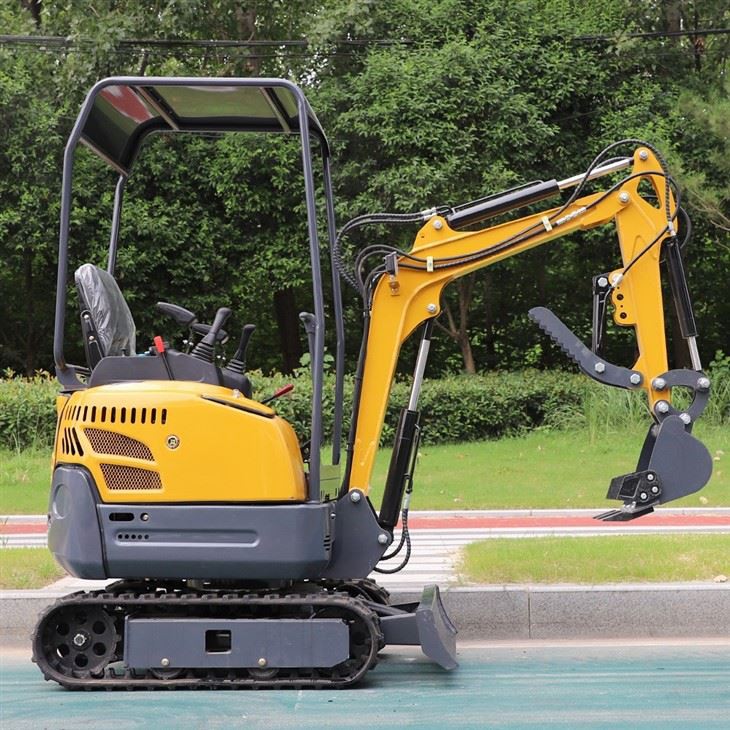
Let's take a look at some of the models we offer. We have the Mini Excavator YFE35 Mini Digger, which is a great choice for basement excavation. It's compact, powerful, and easy to operate. We also have the YFE13 Micro Excavator, which is even smaller and more maneuverable. And if you're looking for a slightly larger machine, we have the Small Digger Machine.
In conclusion, a 2.5 ton digger can be a great option for basement excavation, especially for smaller projects or when space is limited. However, it's important to consider the soil conditions, space constraints, depth of excavation, and cost before making a decision. If you're not sure which machine is right for your project, feel free to reach out to us. We're here to help you make the best choice.
If you're interested in purchasing a 2.5 ton digger for your basement excavation project, or if you have any questions, don't hesitate to contact us. We'd be happy to discuss your needs and provide you with more information.
References:
- Construction Equipment Handbook
- Excavation Best Practices Guide